Why Boston and New England are Turning to Specialized Trichology for Hair Loss Solutions
Overview: Hair loss affects millions of people, with 53% of men and 37% of women experiencing significant hair loss by age 65. In Boston and New England, residents are discovering that working with a certified trichologist in Boston provides more targeted solutions than traditional approaches. This guide explores everything you need to know about trichology, how it differs from conventional treatments, and why finding the right trichologist in the Boston, Massachusetts area could be the key to restoring your hair health and confidence.
What is Trichology and Why It Matters for Your Hair Health
Trichology represents the scientific study of hair and scalp health, going far beyond what most people understand about hair loss treatment. Unlike general practitioners who might offer basic solutions, a qualified Boston area trichologist specializes exclusively in diagnosing and treating hair and scalp conditions with precision that comes from targeted expertise.
The field combines dermatological knowledge with specialized understanding of hair growth cycles, scalp conditions, and the complex factors that influence hair health. When you are dealing with hair loss, thinning, or scalp issues, this specialized knowledge makes all the difference between generic treatments and solutions that actually work.
What sets trichology apart is its holistic approach. Rather than simply prescribing medications or suggesting surgical options, trichologists examine your entire health picture. They consider hormonal factors, nutritional status, stress levels, environmental influences, and genetic predispositions to create treatment plans that address root causes rather than just symptoms.
Boston’s and New England’s unique climate and environmental factors also play a role in hair health. The city’s harsh winters, humidity variations, and urban pollution can impact hair and scalp condition in ways that require local expertise to address effectively. A trichologist Boston residents trust understands these regional challenges and incorporates them into treatment planning.
Common Hair and Scalp Conditions Treated by Boston Trichologists
Androgenetic Alopecia: The Most Common Culprit
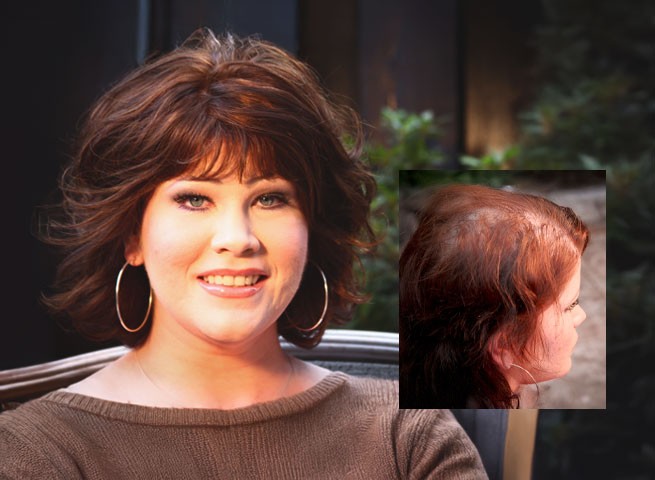
The leading cause of hair loss affects both men and women, though it manifests differently. Male pattern baldness typically begins with receding hairlines and crown thinning, while female pattern hair loss usually presents as overall thinning across the top of the scalp. Research shows this condition affects 85% of men and 33% of women during their lifetime.
A certified trichologist in Boston can identify the specific pattern and progression of androgenetic alopecia in your case, determining whether hormonal factors, genetics, or environmental triggers are accelerating the process. This detailed analysis allows for targeted treatment approaches that slow progression and, in many cases, stimulate regrowth.
Alopecia Areata: When Your Immune System Attacks Your Hair
This autoimmune condition causes patchy hair loss and affects approximately 2% of the global population. The condition can be particularly distressing because it often appears suddenly and unpredictably. Within the Boston medical community, we have seen increasing cases, possibly linked to stress factors and environmental triggers common in urban environments.
In the practice of Trichology, alopecia areata is approached differently than general practitioners. While dermatologists might focus primarily on topical treatments, trichologists examine potential triggers, stress factors, and nutritional deficiencies that could be contributing to the autoimmune response.
Telogen Effluvium: Stress-Related Hair Loss
Boston’s fast-paced lifestyle, combined with seasonal changes and urban stressors, makes telogen effluvium increasingly common among residents. This condition causes widespread hair thinning when stress pushes hair follicles into the resting phase prematurely.
The key to treating telogen effluvium lies in identifying and addressing the underlying stressors while supporting hair follicle recovery. A trichologist boston ma can help distinguish between temporary stress-related hair loss and more permanent conditions, ensuring you receive appropriate treatment.
Scalp Conditions Affecting Hair Growth
Seborrheic dermatitis, psoriasis, and fungal infections can significantly impact hair growth and overall scalp health. Boston’s climate variations can exacerbate these conditions, making specialized local knowledge valuable for effective treatment.
Trichologists understand how scalp health directly impacts hair growth and can address these conditions with targeted therapies that promote both scalp healing and hair regrowth.
The Trichology Consultation Process: What to Expect
Initial Assessment and History Taking
When you visit us at PK Walsh Hair Solutions for Women in Norwood, your consultation process begins with detailed history taking. Your trichology practitioner, Nikki Walsh, will explore family history of hair loss, medical conditions, medications, stress factors, dietary habits, and hair care practices.
This thorough approach often reveals contributing factors that other practitioners might miss. For example, certain medications, nutritional deficiencies, or hormonal imbalances can significantly impact hair health but might not be immediately obvious without specialized questioning.
Physical Examination and Diagnostic Techniques
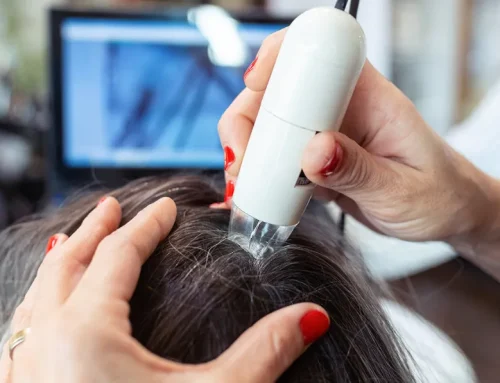
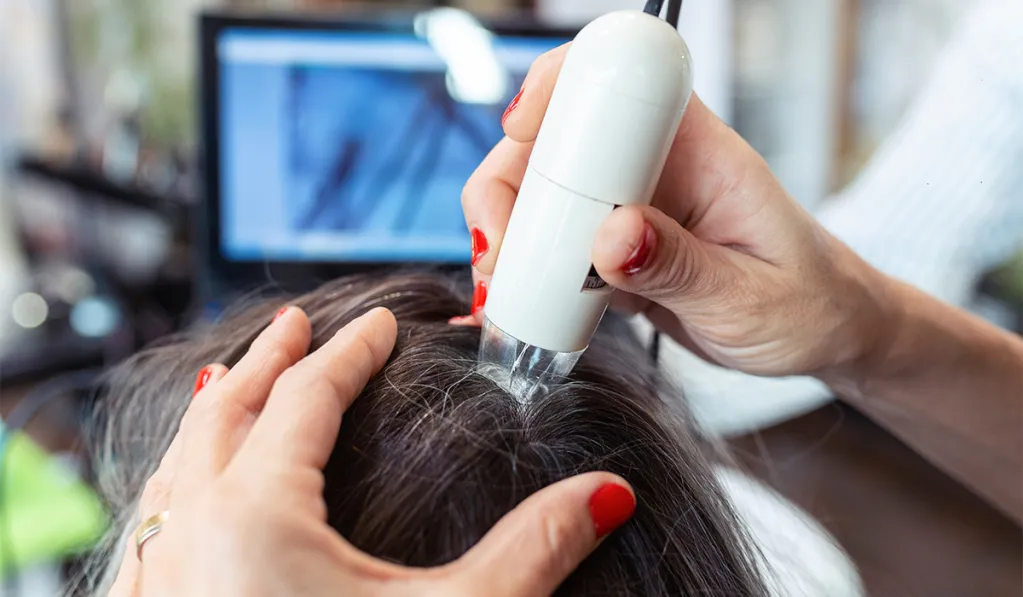
Modern trichology employs sophisticated diagnostic tools that go beyond visual examination. Trichoscopy allows detailed examination of hair shafts and scalp condition at microscopic levels, revealing information about hair diameter, density, and growth patterns that inform treatment decisions.
Pull tests, hair shaft analysis, and scalp biopsies (when necessary) provide additional diagnostic information. A qualified trichologist boston uses these tools to create a complete picture of your hair and scalp health, leading to more accurate diagnoses and effective treatment plans.
Treatment Plan Development
Based on diagnostic findings, your trichologist develops a personalized treatment plan that might include topical treatments, nutritional recommendations, lifestyle modifications, and specialized therapies. The plan considers your specific condition, lifestyle factors, and treatment preferences.
Boston residents appreciate this personalized approach because it acknowledges the unique challenges of urban living while providing practical solutions that fit busy lifestyles.
Why Choose a Specialized Boston Hair Loss Clinic Over General Practitioners
Focused Expertise Makes the Difference
While you might consider a dermatologist for hair loss near me, trichologists offer specialized focus that general dermatologists may not provide. Dermatologists treat hundreds of skin conditions, while trichologists focus exclusively on hair and scalp health.
This specialization means trichologists stay current with the latest research, treatments, and technologies specifically related to hair loss. They understand subtle differences between conditions that might appear similar to general practitioners but require different treatment approaches.
Advanced Treatment Options
Specialized clinics often offer treatment options that general practitioners don’t provide. These might include low-level laser therapy, platelet-rich plasma treatments, specialized topical formulations, and cutting-edge therapies that aren’t widely available.
A trichologist Massachusetts residents trust has access to these advanced options and the expertise to determine which treatments are most appropriate for your specific condition.
Ongoing Support and Monitoring
Hair loss treatment requires patience and consistent monitoring. Trichologists understand that results take time and provide ongoing support throughout the treatment process. They adjust treatment plans based on progress and changing circumstances, ensuring optimal outcomes.
This ongoing relationship is particularly valuable because hair loss treatment often requires months or years to achieve full results. Having a specialist who understands your case history and can make informed adjustments is crucial for success.
What Makes a Certified Boston Trichologist Your Best Choice for Hair Health
Local Environmental Expertise
Boston’s unique environmental factors require specialized understanding. The city’s harsh winters can dry scalp and hair, while humid summers might exacerbate certain scalp conditions. Urban pollution, water quality, and seasonal allergens all impact hair health in ways that require local expertise to address effectively.
A trichologist Boston MA understands these regional challenges and incorporates them into treatment planning. They know which conditions are more common in the Boston area and how local factors might influence treatment outcomes.
Integration with Boston’s Medical Community
Established trichologists in Boston often have relationships with other specialists, including endocrinologists, nutritionists, and dermatologists. This network allows for coordinated care when underlying medical conditions contribute to hair loss.
For example, if thyroid issues are contributing to your hair loss, your trichologist can coordinate with endocrinologists to ensure your treatment plan addresses both the underlying condition and its effects on hair health.
Understanding of Local Lifestyle Factors
Boston’s professional culture, climate, and lifestyle factors all influence hair health. Trichologists familiar with the area understand how factors like commuting stress, seasonal affective patterns, and local dietary habits might impact hair loss.
This local knowledge allows for more relevant lifestyle recommendations and treatment modifications that fit with Boston living.
Trichologist vs Dermatologist for Hair Loss Near Me: Understanding the Difference
Scope of Practice
Dermatologists are medical doctors who treat all skin conditions, including hair loss. They can prescribe medications, perform surgical procedures, and treat complex medical conditions affecting the skin and hair. However, their broad scope means they might not have the specialized focus that complex hair loss cases require.
Trichologists specialize exclusively in hair and scalp health. While they may not be medical doctors, certified trichologists have extensive training specifically in hair science, scalp conditions, and hair loss treatments. This focused expertise often leads to more nuanced understanding of hair-specific issues.
Treatment Approaches
Dermatologists typically approach hair loss from a medical perspective, often focusing on pharmaceutical interventions and surgical options. While these approaches can be effective, they might not address all the factors contributing to hair loss.
Trichologists take a more holistic approach, examining nutritional factors, stress levels, hair care practices, and environmental influences alongside medical factors. This broader perspective often leads to more effective long-term solutions.
Diagnostic Capabilities
Both dermatologists and trichologists can perform detailed examinations and diagnostic tests. However, trichologists often have specialized equipment and techniques specifically designed for hair and scalp analysis.
The choice between a dermatologist and trichologist often depends on your specific needs. If you have underlying medical conditions contributing to hair loss, a dermatologist might be more appropriate. If you’re dealing with hair loss that doesn’t have clear medical causes, a trichologist’s specialized expertise might be more beneficial.
Advanced Boston Hair Loss Treatment Options Available Today
Non-Surgical Treatments
Modern Boston hair loss treatment for women includes numerous non-surgical hair loss options that can be highly effective for many types of hair loss. Low-level laser therapy stimulates hair follicles and can slow hair loss while promoting regrowth. Platelet-rich plasma therapy uses your body’s own growth factors to stimulate hair growth.
Topical treatments have also advanced significantly. Modern formulations can deliver active ingredients more effectively to hair follicles, improving results while reducing side effects.
Nutritional and Lifestyle Interventions
Trichologists understand that hair health reflects overall health. Nutritional deficiencies in iron, biotin, protein, and other nutrients can significantly impact hair growth. Boston’s busy lifestyle and dietary patterns sometimes contribute to these deficiencies.
Specialized nutritional protocols, stress management techniques, and lifestyle modifications can significantly improve hair health outcomes when combined with other treatments.
Combination Therapies
The most effective approach often combines multiple treatment modalities. A trichologist might recommend topical treatments, nutritional support, lifestyle modifications, and advanced therapies like laser treatment or PRP to maximize results.
If one thing works, layering them can be effective, each working together. This combination approach addresses hair loss from multiple angles, often leading to better outcomes than single-treatment approaches.
Boston-Specific Environmental Factors Affecting Hair Health
Climate Challenges
Boston’s climate presents unique challenges for hair and scalp health. Cold, dry winters can lead to scalp irritation and brittle hair, while humid summers might exacerbate scalp conditions like seborrheic dermatitis.
Understanding these seasonal patterns allows trichologists to adjust treatment plans throughout the year, ensuring optimal results regardless of weather conditions.
Urban Environmental Factors
City living exposes hair and scalp to pollution, hard water, and other environmental stressors that can impact hair health. Boston’s urban environment includes specific challenges like road salt in winter, which can affect scalp health, and air quality issues that might contribute to scalp irritation.
A local trichologist understands these factors and can recommend protective measures and treatments that address environmental damage.
Water Quality Considerations
Boston’s water quality can impact hair and scalp health. Hard water, chlorine, and other chemicals in municipal water supplies can dry hair and irritate scalp conditions.
Trichologists familiar with local water quality can recommend appropriate protective measures and treatments to minimize environmental damage to hair and scalp.
Frequently Asked Questions About Trichology in Boston
How Much Does It Cost to See a Trichologist in Boston?
Consultation fees and treatment costs vary significantly based on the specific therapies recommended. Many patients find that the specialized expertise leads to more effective treatments, making the investment worthwhile.
Some insurance plans may cover trichology consultations if hair loss is related to underlying medical conditions. It’s worth checking with your insurance provider about coverage options.
What Treatments Do Trichologists Offer in Boston?
Boston trichologists offer a wide range of treatments including topical therapies, low-level laser therapy, platelet-rich plasma treatments, nutritional counseling, and lifestyle modification programs. Many also provide specialized scalp treatments and hair care guidance.
The specific treatments recommended depend on your individual condition and needs. During your consultation, your trichologist will explain which options are most appropriate for your situation.
How Do I Choose a Trichologist Near Me?
Look for practitioners with proper certification from recognized trichology organizations. Experience treating your specific type of hair loss is important, as is familiarity with local environmental factors that might impact treatment.
Ask about their diagnostic capabilities, treatment options, and approach to ongoing care. A good trichologist should be willing to explain their methods and provide realistic expectations about treatment outcomes.
At PK Walsh, we offer the SHARING™ series, where seasoned clients volunteer to speak with potential clients. We try to match age, hair loss, and lifestyle.
Is Trichology Legitimate and Effective?
Trichology is a legitimate field of study with scientific foundations in hair biology and scalp health. While trichologists may not be medical doctors, certified practitioners have extensive training in hair science and treatment methods.
The effectiveness of trichology treatments varies depending on the specific condition and individual factors. Many patients see significant improvements, particularly when treatments address underlying causes of hair loss rather than just symptoms.
How Long Does It Take to See Results from Trichology Treatment?
Hair growth cycles mean that results from any hair loss treatment take time. Most patients begin seeing improvements within 3-6 months, with full results often taking 12-18 months.
Your trichologist should provide realistic timelines based on your specific condition and treatment plan. Regular monitoring allows for treatment adjustments to optimize results.
Can Trichology Help with All Types of Hair Loss?
Trichology can be beneficial for many types of hair loss, particularly those related to scalp health, nutritional factors, stress, and environmental causes. However, some types of hair loss, particularly those with strong genetic components, may require medical intervention or surgical solutions.
A qualified trichologist can assess your specific situation and recommend appropriate treatments or refer you to other specialists when necessary.
Taking Action: Your Next Steps to Better Hair Health
If you’re experiencing hair loss or scalp concerns, don’t wait for the problem to worsen. Early intervention often leads to better outcomes, and many hair loss conditions are more treatable in their early stages. Do something while you still like your hair!
Start by scheduling a consultation with a certified trichologist Boston who can provide proper diagnosis and treatment recommendations. Come prepared with information about your hair loss pattern, family history, medications, and any factors you think might be contributing to the problem.
Remember that hair loss treatment requires patience and consistency. Work with your trichologist to develop realistic expectations and commit to following treatment recommendations for the best possible outcomes.
Your hair health reflects your overall well-being, and investing in proper treatment can improve not just your appearance but your confidence and quality of life. Boston offers excellent trichology resources. Take advantage of them to address your hair loss concerns effectively.
The journey to better hair health starts with understanding your options and working with qualified professionals who can guide you toward effective solutions. Don’t let hair loss impact your confidence when effective treatments are available right here in Boston.
References
For additional reading and authoritative information on hair loss and trichology, consider these highly authoritative medical sources:
- American Academy of Dermatology – Hair Loss – Comprehensive information on hair loss causes, treatments, and when to see a specialist.
- National Institute of Arthritis and Musculoskeletal and Skin Diseases – Alopecia Areata – Detailed information about autoimmune hair loss conditions and current research.
- Harvard Health Publishing – Hair Loss in Women – Evidence-based information on female pattern hair loss and treatment options from Harvard Medical School.