
The Stigma Tax: A Data Study on Public Perception, Medical Reality and Female Hair Loss Non-Surgical Solutions
I. The Silent Epidemic – Why Society’s Silence Makes Female Hair Loss an Acute Mental Health Crisis
The bathroom counter is clean, but the truth is on the floor.
You see it every morning: the handful of strands clogging the shower drain, the wispy collection in your brush, the widening gap beneath your carefully positioned part line. Every day is a high-stakes, internal negotiation designed to hide a thinning crown from the world. You tell yourself it’s stress. You tell yourself it’s temporary. But in those quiet, desperate moments, you know it’s something bigger and that knowledge often comes wrapped in a profound blanket of shame.
This is the silent epidemic of female hair loss. It is a condition that is medically common but emotionally devastating, largely because our society treats it like a failure of vanity rather than a legitimate health concern.
Here is the shocking thesis of this study:
Medically, Female Pattern Hair Loss (FPHL) is a non-life-threatening condition that will affect up to 50% of women over the age of 80. Yet, psychological studies consistently find that hair loss in women causes more significant distress than in men, leading to verifiable, adverse impacts on mental health and social function.
This post will break down the data to prove that what you are feeling is real, scientifically documented, and completely valid. We will show you the statistics that expose the mental health toll of this condition and offer a path to practical, stigma-free solutions.
II. The Cold, Hard Medical Reality: The Citable Stats
To fight the shame, we must first arm ourselves with facts. Hair loss is not a rare personal failing; it is a chronic, progressive, and highly prevalent condition that is simply part of the human experience for millions of women.
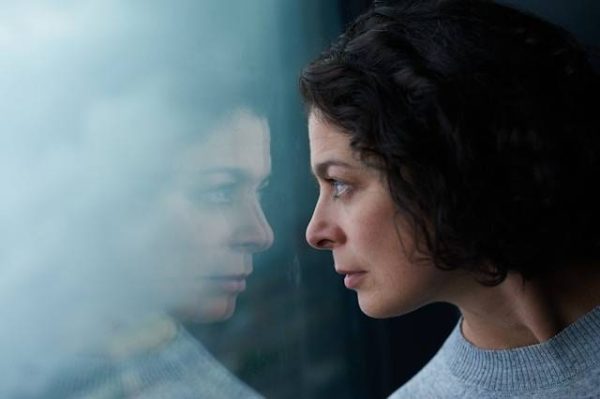
The following statistics, drawn from leading medical journals and dermatological studies, should serve as a powerful counter-narrative to the isolation you may feel:
1. The Prevalence: Far More Common Than You Think
- By age 49, 25% of women show clinically detectable Female Pattern Hair Loss (FPHL).
- By age 79, this number climbs to over 50%. Half of all women will experience some degree of thinning or hair loss in their lifetimes.
- The Chronic Definition: FPHL is not defined as a “disease” but as a “chronic condition.” The primary medical goal is to arrest its progression and stimulate regrowth, emphasizing that successful management requires a long-term strategy, not a quick fix.
2. The Denial Gap: Why It Stays Hidden
The prevalence data clashes sharply with how often women seek help:
- Over 80% of women who notice increased shedding or thinning do not initially admit they have a problem, often explaining it away as “stress” or seasonal “shedding” for too long.
- This denial often leads to a delayed diagnosis, allowing the condition to progress to a more severe stage where treatment is less effective.
The gap between the medical reality (it’s common) and the social perception (it’s shameful) creates a void that often leads directly to emotional distress, which we explore in the next section.
III. The Profound Psychological Impact: The Evidence
If a medical professional tells you hair loss is only a “cosmetic issue,” they are ignoring decades of compelling psychological data. For women, hair loss is a mental health and quality-of-life issue that rivals and sometimes surpasses the distress caused by life-threatening illnesses.
There are compelling statistics that prove your feelings of shame and isolation are valid. They are documented responses to a condition that society has cruelly stigmatized.
1. The Direct Link to Anxiety and Depression
- 78% of women who experience chronic hair loss report feelings of shame, anxiety, or depression as a direct result of their condition.
- Women diagnosed with hair loss conditions are found to be 30-38% more likely to be diagnosed with clinical anxiety and depression compared to the general population.
- The Gender Gap in Distress: Studies show that women with Androgenetic Alopecia (FPHL) exhibit higher scores on overall psychological maladjustment and life disability metrics compared to men experiencing the same condition.
2. The Impact on Relationships and Career
The distress isn’t confined to internal feelings; it actively damages external life factors and confidence:
- 40% of women suffering from hair loss report significant problems in their marriage or intimate relationships.
- 64% of women attribute career difficulties including missed promotions or avoidance of networking events to their struggle with hair loss.
Conclusion of Section III:
This data is irrefutable. Hair loss is not an issue of vanity; it is a diagnosable public health concern with quantifiable impacts on mental well-being, social function, and career stability. The silence and stigma surrounding it are what amplify the pain.
IV. The Path to Practical, Stigma-Free Solutions
The good news is that recognizing the true severity of the emotional toll opens the door to effective, personalized solutions that are not about “covering up” but about regaining mental control and confidence.
1. Female Hair Loss Non-Surgical Solutions
Finding success means assessing your degree of loss, lifestyle, and desired outcome. Effective solutions fall into three main categories:
- Medical/Topical: The primary goal is slowing loss and promoting minor regrowth. Examples include Minoxidil and prescription anti-androgens.
- Trichological: The primary goal is improving scalp health and supplementary therapy. Examples include in-clinic laser (LLLT) and specialized scalp serums.
- Non-Surgical Replacement: The primary goal is immediate, customized, and perfect density restoration. Examples include Custom Hair Systems and custom human-hair wigs.
Crucial Note on OTC Products: It is important to note that so-called “hair loss shampoos” are almost always ineffective for chronic hair loss. They lack the concentration and contact time required for active ingredients to penetrate the scalp and change the hair cycle. Focus your budget on clinically proven topicals, trichological treatments, or reliable replacement options.
2. The Hair Replacement System’s Role as a Therapeutic Tool
If the emotional problem is shame and avoidance, the fastest path to mental relief is often empowerment and self-reintegration. For many, a female hair loss non-surgical hair replacement solution is exactly that:
- Regaining Control: Custom hair systems and high-quality wigs provide immediate, reliable, and aesthetically perfect results that restore the wearer’s appearance, which is often the fastest way to alleviate acute social anxiety.
- Documented Quality-of-Life Improvement: Numerous studies have shown a positive and measurable effect of wearing a high-quality wig on reducing social anxiety and improving the overall quality of life for women with moderate to severe hair loss. These tools should be viewed as proactive steps toward mental wellness and engagement.
V. Conclusion: Challenging the Shame Narrative
The Takeaway: Your hair loss is common. Your emotional response is documented. Your distress is valid.
- The most crucial step you can take today is to acknowledge the severity of the emotional toll and refuse to minimize your own experience. By recognizing that hair loss is a public health and mental health concern, we empower ourselves to seek dignified, effective, and stigma-free solutions.
We encourage you to share this data with anyone who has minimized your experience. By challenging the shame narrative, we begin to normalize the conversation and empower women everywhere to regain their confidence.
➡️ Ready to Explore a Stigma-Free Solution?
If you are ready to put the worry and shame aside, click here to request your private, confidential consultation with a PK Walsh women’s hair loss specialist and finding the perfect, natural-looking female hair loss non-surgical solution for your individual and unique situation and lifestyle.